
When Not to Use Avios
The scenarios where paying cash is the stronger, more strategic decision — with real numbers
Avios are powerful, but they are not universally valuable. Some redemptions remove meaningful cost or unlock travel you would not otherwise book. Others quietly drain your balance while delivering little real-world benefit.
The difference usually comes down to context: fare levels, taxes, availability, and what those points could achieve if held for a stronger opportunity. This guide focuses specifically on the situations where redeeming Avios is the wrong call — not because points are bad, but because cash is better in that moment.
Our Cash vs Points Decisions guide covers the full decision framework. This article is the companion piece: a catalogue of the specific traps that catch people, with current numbers showing exactly where value collapses.
When Cash Fares Are Already Cheap
This is the most common mistake and the easiest to avoid. If the cash fare is low, the Avios redemption cannot create meaningful leverage — because there is not much cost to replace.
London–Berlin, midweek January: Cash fare £42 return. Avios option: 19,500 Avios + £2. Value replaced: £40. PPP: 0.21p per Avios. Those 19,500 Avios could instead contribute to a Club World booking where they deliver 1.5p+ each — seven times the value.
London–Dublin, off-peak: Cash fare £35 return on a sale. Avios: 18,500 + £2. Value replaced: £33. PPP: 0.18p. Converting those Avios to Nectar and spending them in Sainsbury’s would deliver more value.
The rule is simple: if the cash fare does not feel painful, the redemption is unlikely to be powerful. Pay cash, save the points.
Short-haul sale fares are the single biggest destroyer of Avios balances. They feel productive — you “used” your points — but the leverage is minimal. Every 20,000 Avios spent on a £40 flight is 20,000 Avios not available for a £2,000 Business Class seat.
When Taxes and Surcharges Erase the Saving
Every Avios redemption has a cash element — taxes, fees and carrier charges. When that cash element approaches or exceeds the cash fare you would otherwise pay, the Avios are doing almost no work.
London–New York, Economy off-peak: Cash fare £380 return (discounted Economy). Avios option under Reward Flight Saver: 48,000 Avios + approximately £440. The cash element is actually higher than the cash fare. Your Avios have negative value. Pay cash.
This scenario — where RFS taxes on long-haul Economy approach or exceed cheap cash fares — is more common than people expect. It happens most often on discounted Economy tickets to competitive routes where airlines are pricing aggressively to fill seats.
The check: Always subtract the redemption’s cash element from the cash fare before evaluating the Avios. If the net saving is small or negative, the redemption is consuming points for minimal or zero benefit.
When Only One Seat Exists and You Need Two
Availability defines whether a redemption is even possible. But poor availability can also push you into compromises that reduce the quality of the trip itself.
If reward seats require you to accept a 6am departure when you wanted afternoon, a connection through a hub that adds five hours, or splitting your party across two different flights — pause. A redemption should improve the travel outcome, not degrade it.
The most common version of this: you find one Business Class seat but need two. Rather than booking one person in Business and one in Economy (a miserable way to travel as a couple), pay cash for a cabin you can share, and save the Avios for a trip where availability aligns properly.
If you are forcing a routing or timing purely to use Avios, the decision is being driven by your balance rather than your trip. Strong redemptions start with the journey you want — not the points you hold.
When You Are Building Towards Something Bigger
Sometimes the strongest reason not to redeem is what those points could do next. If you are working towards a Companion Voucher booking, a long-haul Club World trip, or peak holiday travel where cash fares spike, preserving your balance is the higher-leverage move.
Example: You have 120,000 Avios. A short-haul redemption to Nice would cost 21,000 Avios + £2, saving you roughly £250 against a peak cash fare. Decent value in isolation — but spending those 21,000 Avios means you now have 99,000 instead of 120,000. If a Companion Voucher Club World trip to New York requires 176,000 Avios and your partner is contributing 60,000 from their account, you need your full 120,000 to make the booking work. The Nice redemption just torpedoed a trip worth £3,000+ in value.
Before redeeming, ask: would spending these Avios now delay or prevent a stronger opportunity later? If the answer is yes, pay cash for the smaller trip and protect the balance.
When Paying Cash Earns You Something
Avios redemptions earn no Avios and no Tier Points. Cash tickets earn both. If you are working towards BA status or a card spend threshold, paying cash has strategic value that a redemption cannot match.
Tier Points: If you are 150 Tier Points from BA Silver and a cash Club Europe return to Amsterdam costs £280 and earns 80 Tier Points, paying cash is an investment in status that benefits every flight for the next membership year — priority boarding, extra baggage, lounge access on Business bookings.
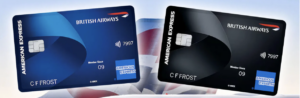
Companion Voucher threshold: Every pound spent on a BA Amex counts towards the £15,000 annual threshold. If you are at £13,500 and a holiday costs £1,500, putting it on the Amex triggers the voucher — which is worth far more than any single Avios redemption. Spending Avios instead of cash means you miss the threshold and lose the voucher entirely.
BA Amex Premium Plus Tier Points: At £15,000 spend you earn 750 Tier Points, at £20,000 another 750, and at £25,000 a further 1,000. If you are close to one of these thresholds, routing spend through the card (rather than redeeming Avios) can deliver status benefits that compound across an entire year.
When You Would Never Pay Cash for That Cabin
Avios can make premium cabins accessible — that is a genuine strength. But it can also distort decision-making. If you would never realistically spend £5,000 on two First Class tickets, valuing your Avios against that price inflates the apparent value and may push you into a redemption that does not match your actual travel priorities.
Be honest about whether the redemption is removing an expense you would otherwise incur, or manufacturing a luxury experience purely because points are available. Both uses are legitimate — but only one replaces real cost. If you would have flown Premium Economy in cash, compare the Avios redemption against the Premium Economy fare, not the Business or First fare.
When the Voucher Is Driving the Decision
Companion Vouchers and upgrade vouchers have expiry dates, which creates urgency. But urgency should not override value. Using a voucher on a short-haul Economy flight because it is about to expire wastes the voucher’s structural advantage — its ability to compress the cost of premium long-haul travel.
If your Companion Voucher is approaching expiry and you cannot find a strong long-haul booking, consider: is there any medium-haul Club Europe route that delivers reasonable value? If not, and the only options are short-haul Economy, you may be better letting the voucher expire and triggering a new one next card year — rather than consuming Avios on a weak booking just to “use” the voucher.
The exception: if you can book a viable trip now and cancel later (£35pp, voucher returned with original expiry) if something better appears, that preserves optionality. Holding a live booking is often better than holding an unused voucher — as long as you are willing to cancel if a stronger opportunity materialises.
Expiry-driven bookings are one of the most common sources of weak redemptions. The voucher creates pressure to act, but the best response to that pressure is often a placeholder booking you are willing to cancel — not a commitment to a trip that does not justify the Avios.
When Devaluation Fear Creates Panic Spending
When BA announces a pricing increase (as it did in December 2025, with roughly 10% across the board), there is often a rush to redeem before the change takes effect. This urgency can push people into bookings they would not otherwise make.
A 10% increase on a 176,000 Avios booking is 17,600 additional Avios — roughly one month of normal credit card earning. Meaningful, but not catastrophic. Panic-spending 200,000 Avios on a trip you do not actually want, in order to avoid paying 17,600 more Avios later, is the worse outcome.
If you have a specific trip in mind and availability exists, booking before a devaluation makes obvious sense. If you are manufacturing a trip purely to “beat” the increase, you are likely destroying more value than you are saving.
Knowing when not to use Avios is as important as knowing when to redeem them. The strongest strategies are built on selective deployment, not constant activity. Pay cash when fares are low, when earning Tier Points or triggering vouchers matters, when availability is poor, or when your balance is better preserved for a bigger trip ahead. Restraint is not inaction — it is strategic positioning for higher-leverage travel later.